
Modular Home Appliances Built for Swift, Joyful Repair
Today we explore designing modular home appliances for easy repair, transforming frustrating breakdowns into short, confidence-boosting sessions that save money, reduce waste, and keep families running. We will connect practical engineering patterns with real stories, highlight right-to-repair realities, and share small decisions—like standardized screws or QR-linked manuals—that unlock big outcomes. Expect actionable guidance, approachable language, and an open invitation to contribute ideas that shape sturdier products and brighter, more resilient homes.

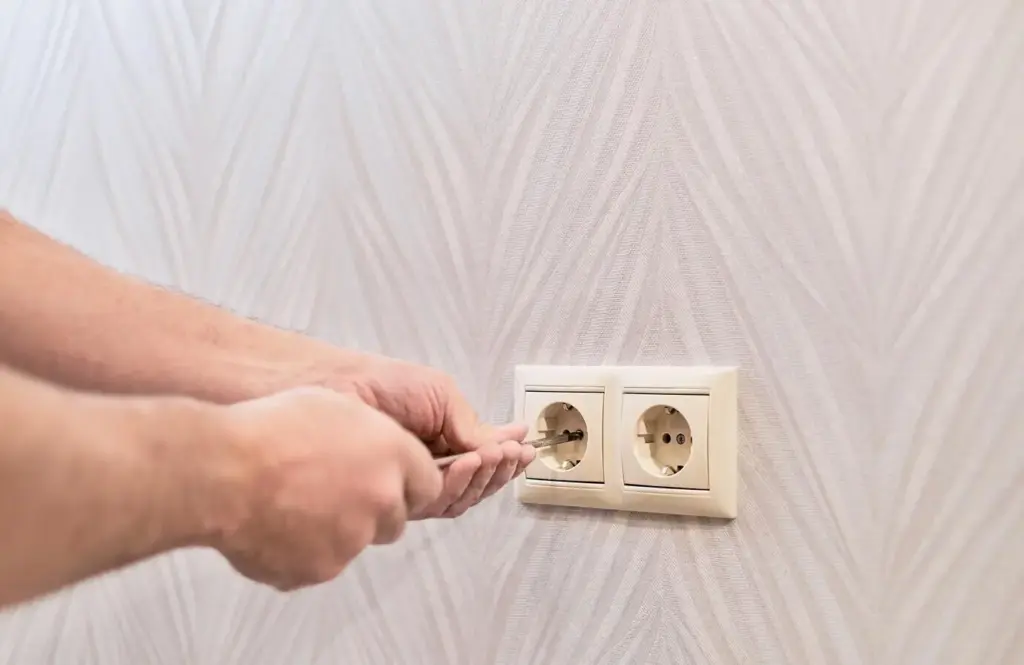


Why Modularity Changes Everything
When a device is organized into clear, replaceable modules, failure becomes a manageable moment rather than a costly crisis. Household downtime shrinks, ownership pride grows, and landfills receive fewer discarded appliances. Designers gain flexibility, suppliers coordinate more smoothly, and repairs turn into short, teachable rituals. From climate goals to customer loyalty, modularity ties practical convenience to systems-level responsibility, giving people and businesses resilient choices that feel good today and pay dividends for years.
Defining A Clear, Serviceable Architecture
Great repair experiences begin with a crisp map of what can be separated, in what order, and with which basic tools. Define module boundaries that isolate heat, vibration, moisture, and high voltage. Use consistent connectors and align physical interfaces with diagnostic expectations. Keep wire lengths sensible, design guides that prevent misalignment, and ensure parts can be swapped without recalibrating the entire product. The smoother the architecture, the calmer the repair bench feels in every home.

Choose Reversible Joins Over Permanent Bonds
A reversible joint honors the future. Replace glue with gaskets, screws, and snap-fits designed for repeated cycles. Use thread-locking strategies that resist vibration yet yield under standard tools. Material pairing matters: avoid stress cracking and galvanic mischief. When components must be sealed, allow replacement subassemblies rather than entombed parts. The payoff is immediate during the first service, but even larger five years later, when a quick open-and-swap keeps an entire appliance out of landfill.
Guidance Through Markings, Color, And Form
Color-coded harnesses, etched arrows, and embossed step numbers reduce cognitive load dramatically. A yellow screw indicates the first action; a blue tab signals horizontal slide, not brute upward pull. Geometry can whisper: tapered lead-ins, finger pockets, and asymmetric keys. Even small icons beside connectors communicate voltage, polarity, and caution without clutter. Good guidance reduces stripped threads, broken clips, and scary guesses, welcoming beginners while still delighting seasoned technicians who appreciate respectful, frictionless clarity.
Human-Centered Repair Experience
Owners approach repair with mixed emotions: urgency, curiosity, and a dose of fear. Respect that by creating calm pathways from first symptom to final test. Write manuals like friendly mentors. Provide QR codes that launch exact steps, not a generic homepage. Offer time estimates, part numbers, and tool lists upfront. Use language that avoids shame and celebrates learning. When every click, label, and sentence lends confidence, repair becomes a small, satisfying victory shared around the kitchen table.
Friendly Manuals, QR Journeys, And Clear Language
Manuals should open with reassurance, safety notes, and a truthful promise about difficulty. Photographs must match production colors and connector shapes precisely. QR codes land on the relevant step, with short videos for tricky motions. Sentences stay active and kind, avoiding jargon wherever possible. Provide explicit warnings where hazards lurk, and end with validation steps that confirm success. A confident novice completing a repair becomes your most persuasive advocate, telling neighbors repair felt surprisingly calm and doable.
Intuitive Disassembly Cues From First Touch
Give people confirmation that they are pulling in the right direction and at the right force. Use detents that signal progress without sudden snaps. Make the first screw highly visible, and hide decorative hardware only after core safety coverage. Provide tactile differences between live-danger zones and user-serviceable covers. When fingertips meet friendly textures and clear affordances, hesitation fades. That gentle choreography matters more than any glossy advertisement because it converts worry into proud, repeatable confidence.
Parts Catalogs, Availability, And Ordering Ease
A great parts experience begins with a searchable catalog that maps symptoms to likely modules, includes compatibility notes, and shows real inventory. Offer reasonably priced bundles for common fixes and recycled options when appropriate. Provide shipping estimates and local pickup where possible. Clear return policies reduce risk. If a QR label on the appliance jumps straight to the exact SKU, customers feel seen. Smooth logistics are the invisible half of repair design, turning intent into a satisfying finish.
Safety, Compliance, And Reliability Under The Hood
Serviceable does not mean careless. Ensure isolation distances and creepage requirements remain intact after disassembly. Protect hands from blades and springs. Manage heat with shields and ducts that re-seat reliably. Moisture, dust, and oils must be contained thoughtfully. Design lockouts that prevent live exposure, and audit that safety holds up after many service cycles. Compliance is not a hurdle; it is a backbone, ensuring every triumphant fix ends with a product that remains safe for daily life.
Community, Learning, And Ongoing Engagement
Repair cultures thrive when people learn together. Host livestreams that walk through common fixes, publish open CAD for jigs, and collaborate with local repair cafés. Celebrate customer stories and credit contributors who spot confusing steps. Provide educator kits for schools and maker spaces. Invite certified technicians into early design reviews. When owners feel welcomed as co-designers, they return with insights, subscribe for updates, and proudly share experiences that inspire the next generation of resilient appliances.

Workshops, Repair Cafés, And Shared Wins
A Saturday workshop can change a neighborhood’s relationship with broken things. Imagine a family replacing a pump module in ten minutes, guided by a volunteer and a clear video. Laughter replaces anxiety as parts click together and the test cycle hums. Those memories become stories, and stories become momentum. Hosting events creates ambassadors who defend repair-friendly design, gently holding brands accountable while spreading practical knowledge that keeps appliances, budgets, and the planet in better working order.

Feedback Loops That Improve Next Revisions
Place feedback QR stickers inside service panels to capture notes right after successful repairs. Ask what step felt tricky, what tool was missing, and which photo confused. Aggregate insights into release notes and hardware tweaks. Publicly thank contributors in update logs. When people see their comment transformed into a relocated screw or clearer arrow, trust deepens. Each cycle turns rough edges into polished affordances, making the next fix faster and quietly proving that attentive design genuinely listens.

Subscribe, Participate, And Shape Future Guides
Join our mailing list for monthly teardown walkthroughs, service checklists, and updated part cross-references. Reply with questions, and we will fold them into next guides. Share your success photos and missteps—they help everyone learn. If you host a classroom or makerspace, request educator bundles. Together we can normalize repair as a cheerful household habit, ensuring modular design meets real needs and continues evolving through generous collaboration, honest reporting, and the everyday ingenuity of curious neighbors.